Hardscaping vs Landscaping: What is the key difference?
Believe it or not, we get this question quite often, and we understand why. Perhaps the easiest way is to use an analogy from the movie The Matrix. In the movie, Neo learns that the world he sees is only part of the truth. Your yard works the same way.
Most homeowners think landscaping covers everything outside the house, but that is only half the story. Hardscaping plays an equally important role in how your outdoor space looks and functions, and it adds value to your home. Read on to see the difference between hardscaping and landscaping and find out which one your yard really needs.
Hardscaping vs Landscaping Quick Takes:
Understanding the difference between hardscaping vs landscaping is simple, but it is also essential when designing an outdoor space that you want to be both beautiful and functional. While landsacping and hardscaping have their similarities, like ending ing, they serve very different roles in your yard and in costs.
Here is a simple definition of each:
- Landscaping refers to the living elements of your outdoor environment. These include grass, plants, trees, flower beds, and soil features that grow and change with the seasons. Landscaping adds natural beauty, color, and shade, as well as environmental benefits such as improved drainage and erosion control.
- Hardscaping refers to the non-living structural elements that create usable outdoor spaces. These features include patios, walkways, retaining walls, driveways, fire pits, and outdoor kitchens. Hardscape elements provide durability, structure, and places for gathering and entertaining.
Key Differences at a Glance
- Landscaping: Living elements like grass, trees, plants, and garden beds
- Hardscaping: Built features like patios, pavers, walkways, and retaining walls
- Landscaping adds: Natural beauty, shade, and seasonal color
- Hardscaping adds: Structure, usability, and long-term durability
- Best results: A balanced design that combines both hardscape and landscape elements
The most successful outdoor spaces in communities like Savannah Quarters and the surrounding area use both landscaping and hardscaping. Plants soften the environment while patios, pathways, and walls provide structure and function. When designed correctly, this balance transforms a basic yard into a complete outdoor living space.
What is Hardscaping vs Landscaping? Explained:
Walk into any well-designed front or backyard, and you will notice that some elements feel alive and constantly changing, while others feel grounded and permanent. One side grows, blooms, and shifts with the seasons while the other provides structure, stability, and places where people gather, sit, and enjoy.
That balance between living elements (landsacping) and built features (hardscaping) is the heart of landscaping and hardscaping. When both work together, your yard feels complete. Without that balance, a property can feel unfinished or difficult to use.
Think of it this way: landscaping creates the beauty you see. Hardscaping creates the structure that makes the space usable. One softens the environment. The other organizes it.
A well-planned landscape design blends both personalities so the yard feels natural, comfortable, and functional.
| Element Type | What It Adds to Your Yard | Example Features |
|---|---|---|
| Landscaping | Color, life, and natural movement | Grass, plants, trees, shrubs |
| Hardscaping | Structure, usability, and durability | Pavers, patios, retaining wall, driveway |
| Combined Design | Balance between beauty and function | Outdoor living spaces, pathways, gathering areas |
When homeowners understand this relationship, designing an outdoor space becomes much easier. Instead of asking which one you need, the better question becomes how both elements can work together.
What Is Landscaping?
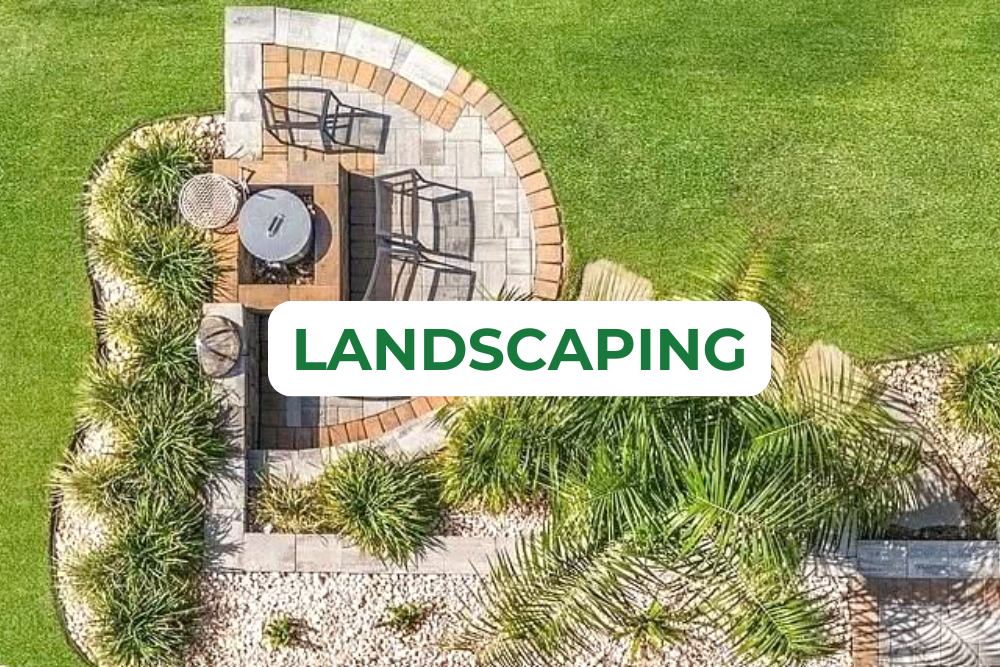
Landscaping refers to the living and organic parts of your outdoor environment. These are the elements that grow and change with the seasons, bringing natural beauty to your yard. For simple terms, most people think of landscaping as the yard, the mulch beds, and the plants you have around your home.
Good landscaping is not just about planting flowers. It is about creating a healthy ecosystem around your home. The right mix of plants can add shade, improve soil quality, reduce erosion, and even help manage drainage.
Professional landscape design focuses on how plants interact with sunlight, soil, and water. The goal is to create a yard that looks beautiful while also thriving in your local climate.
Common landscaping elements include:
- Grass and sod installation
- Trees and ornamental shrubs
- Flower beds and seasonal plants
- Soil preparation and mulch
- Irrigation and drainage planning
- Natural privacy barriers using hedges or trees
- Garden areas and decorative plant arrangements
Landscaping adds several benefits beyond appearance.
| Landscaping Feature | Benefit to the Property |
|---|---|
| Trees and shrubs | Provide shade and natural cooling |
| Flower beds | Add seasonal color and curb appeal |
| Grass and turf | Create soft recreational space |
| Hedges | Improve privacy and property boundaries |
| Soil and plant coverage | Reduce erosion and manage runoff |
Landscaping often brings emotional warmth to your yard. The green spaces soften the look of a property and make outdoor areas feel more welcoming. However, because these elements are alive, they require regular care such as mowing, pruning, watering, and fertilizing, which is laborious for most homeowners in Savannah with our warm climate!
What Is Hardscaping?
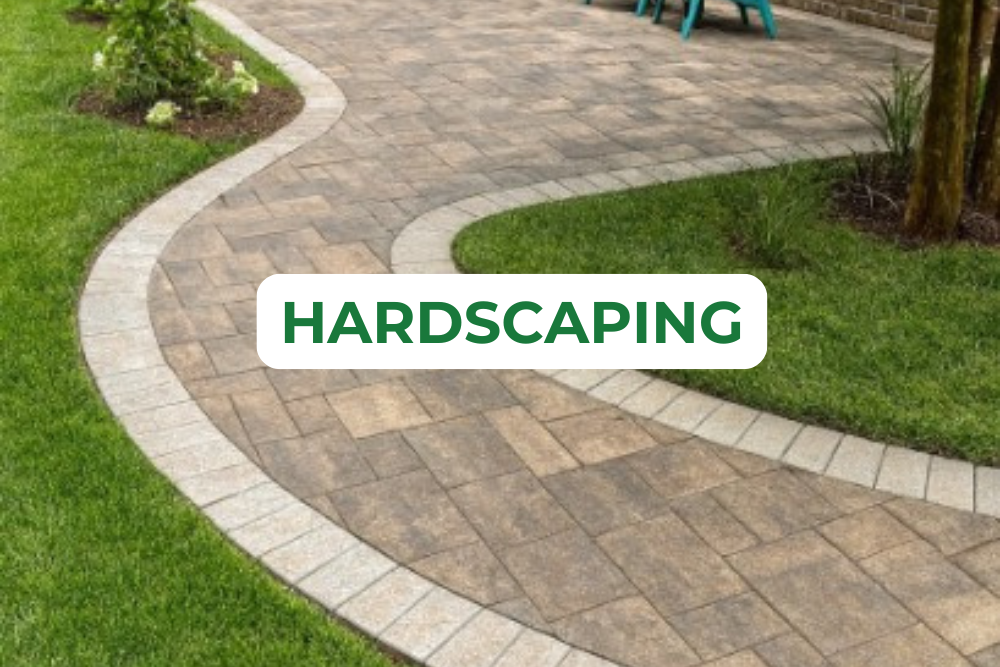
Simply put, hardscaping refers to the built, structural features of your outdoor space, like a patio or concrete walkway. To keep it simple, these are the non-living elements that shape how people move through and use the yard/outdoor spaces.
While landscaping brings life to the property, hardscaping creates the framework that organizes it. It defines walkways, gathering spaces, and outdoor living areas. Hardscape features are designed for durability. Materials such as stone, concrete, brick, and pavers are commonly used because they can withstand weather, foot traffic, and years of use (which is vital in Coastal Georgia).
Common hardscaping features include:
- Stone or paver patios
- Walkways made from pavers or natural stone
- A retaining wall to stabilize sloped terrain
- Outdoor seating areas
- Decorative garden borders
- A fire pit for evening gatherings
- Outdoor kitchens and grilling areas
- Pergolas or built shade structures
- A driveway designed with concrete, asphalt, or pavers
These elements serve practical purposes that landscaping alone cannot provide.
| Hardscape Feature | Practical Function |
|---|---|
| Paver patio | Creates a durable outdoor living space |
| Retaining wall | Prevents soil erosion and stabilizes slopes |
| Walkways and paths | Guide movement across the yard |
| Fire pit area | Creates a focal point for gatherings |
| Driveway | Provides safe vehicle access and parking |
Hardscaping also plays a critical role in solving structural problems. For example, a retaining wall can prevent soil from sliding downhill. Properly designed paver pathways help control foot traffic and reduce lawn damage.
When planned correctly, hardscaping complements landscaping instead of competing with it. A stone patio surrounded by plants, or a fire pit framed by garden beds, can transform a basic yard into a welcoming outdoor retreat.
This is why the most successful landscaping and hardscaping projects are designed together from the start, something Coastal Hardscapes offers with our design and build option. When people ask for “hardscaping and landscaping explained,” it is simple: one provides beauty, and the other provides structure. Together they create a yard that feels balanced, functional, and most importantly someting you can use and enjoy!
Landsacping vs Hardscaping Maintenance
What does landscaping mainteance and hardscaping maintenance look like?
You now know that you have landsacping aka the living side, like grass and plants, that’s always growing and needs regular upkeep. This is where most of your mainteance will occur, and we will expand on this momentarily. Then you’ve got the structural side, like patios, decks, and walkways, that’s built to last. Once those hardscape features are properly installed, they require very little maintenance compared to the rest.
The key to long-term sustainability in your backyard is balance. Good landscape design pairs low-maintenance plants with durable hard features like gravel walkways or patio installation. When both systems are planned well, your outdoor space stays beautiful without turning into a weekend chore.
Landscaping Maintenance Requirements
Landscaping revolves around your grass, bushes, trees, flowers, and more, so regular care is essential to keep everything healthy and attractive. Plants grow, your lawns spread, and seasonal weather changes everything, especially in the Savannah region!
Typical landscaping maintenance includes:
- Lawn mowing and edging (weekly or every 10 days during peak growing season)
- Watering and irrigation checks (weekly and seasonal mainteance)
- Pruning shrubs and trees (two times per year)
- Fertilizing soil and plant beds (two to four times per year)
- Seasonal flower replacements (spring and fall)
- Weed control in garden areas (ongoing)
As you can see, there is quite a bit that goes into landsacping maintenance, and it doesn’t even include things like drainage, which also plays a role. For some homeowners in Pooler or Savannah dealing with drainage issues, installing a French drain can help protect plant roots and prevent soggy soil, and it also doesn’t require regular upkeep.
Either way, your grass and shrubs will need care each spring, summer, and fall; you get off in the winter only!
Hardscaping Maintenance Requirements
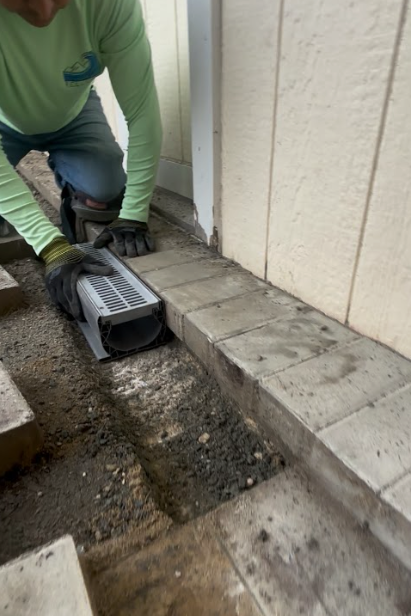
Your hardscape maintenance is simple because hard surfaces demand less routine work, which is why many homeowners invest in hardscape services. The pro to hardscaping features like patios or garden walls is that once built correctly, these features remain stable for years.
Common hardscape upkeep includes:
- Power washing patios and walkways
- Replacing joint sand in pavers
- Sealing stone or concrete surfaces
- Checking structural features like a deck
- Refilling loose materials such as gravel
Even features like patio installation areas or seating spaces require only occasional cleaning with softwashing and light pressure washing. Compared with softscape or landscape maintenance, hardscaping provides long-term durability while still supporting a comfortable backyard environment.
The Best Yards Use Both Landscaping and Hardscaping
Great yards rarely rely on just plants or just structures. The real magic happens when landscape elements and structural features work together in one thoughtful outdoor design. Plants bring life and color. Hard features create usable space and shape how people move through the yard.
This balanced approach is common in commercial landscaping, where durability and aesthetics must work side by side. A patio beside a shaded garden or a deck framed by greenery creates a natural flow. When designed together, these elements turn an ordinary property into a welcoming outdoor environment.
When Landscaping Should Be the Priority
Landscaping should lead when a yard lacks life or connection to the natural environment. Plants soften the space and add character before structural features are introduced.
Landscaping often comes first when:
- A property has bare soil or limited greenery
- Shade trees or privacy plants are needed
- A fence needs visual softening with shrubs or hedges
- The yard feels empty or lacks color
- The goal is to improve overall aesthetics
Starting with the right plants establishes the foundation for the future, allowing structural features to blend naturally with the living landscape.
outdoor design
When should hardscaping come first?
Hardscaping should take priority when the yard needs structure or functional space. Before plants are added, the property may require areas where people can walk, gather, or relax.
Hardscaping often comes first when:
- The yard lacks usable seating or entertaining areas
- A deck or patio is needed for outdoor living
- Soil erosion or slope problems require structural solutions
- Walkways or borders must define landscape elements
- Traffic areas are damaging the grass
Once these features are in place, landscaping can soften the space and connect the hard surfaces with the surrounding natural environment.
5 Signs Your Yard Needs Hardscaping
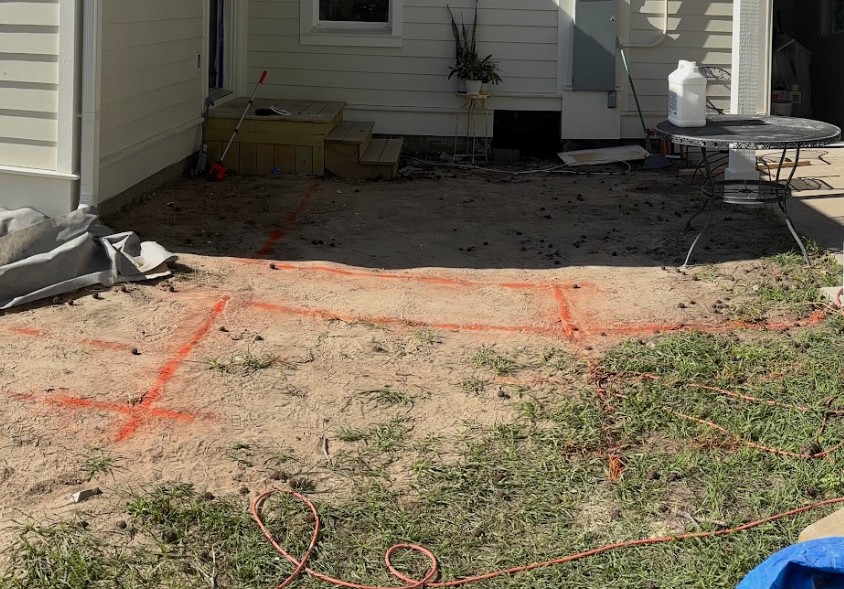
We get this question often, “When do I need hardscaping?”
Some yards struggle because they lack structure. Plants alone cannot solve every outdoor problem. If your property shows the signs below, it may be time to consider installation services to add durable features made of wood, concrete, or stone.
- Muddy walk paths appear after rain. Hard surfaces improve accessibility and keep the yard usable.
- Sloped soil keeps washing away. Retaining features can stabilize the ground.
- There is no seating or gathering space. Patios create functional outdoor areas.
- The front yard lacks a defined walkway or driveway.
- Grass struggles in high-traffic zones.
These clues often reveal the difference in landscaping vs hardscaping needs.
How to Decide What Your Yard Needs First
Choosing between landscaping vs hardscaping starts with how you want to use your space. Walk through your yard and notice where problems appear.
Start with these questions:
- Does the front yard need better accessibility, such as a walkway or driveway?
- Are structural features like patios or steps needed before planting?
- Is there enough room for seating areas made from wood or concrete?
- Do plants struggle because the layout lacks structure?
Once the layout is clear, the right local hardscaping/landscaping installation services can add structural features first, followed by landscaping that enhances the space.
Why Professional Landscape Designers Balance Both
Experienced designers rarely focus on just plants or just structures. For our design team, the goal is to create harmony between landscaping vs hardscaping so the yard looks beautiful and works well.
Professionals consider several factors:
- How landscape elements connect with patios, decks, and pathways
- Materials like wood or concrete that complement the natural setting
- Accessibility for walkways, seating areas, and entrances
- Long-term durability through proper installation services
When everything is planned together, both the front and back yards feel balanced, functional, and visually appealing, but can offer smoother transitions, erosion control, and more!
Hardscaping and Landsacping Explained Verdict –
Homes with well-planned outdoor spaces often see stronger curb appeal and higher property value, and it starts with your landsacping. However, hardscaping in the back that creates a functional oasis is what can really boost your home’s outdoor space! As you can see, the real impact comes from blending landscaping with the right hardscape features. As we like to say here at Coastal Hardscapes, that balance is where design meets function, and where you get to enjoy it all!
Contact us here, and let’s turn your yard into a space that looks great and works even better here in the greater Savannah region.
FAQ:
1. How much maintenance should I expect for my yard?
Honestly, most of your maintenance will come from the landscaping side. Grass, plants, and trees are always growing, so they need regular care, such as mowing, trimming, and watering. The hardscape side, like patios and walkways, is pretty low maintenance once it’s installed correctly.
2. Is hardscaping really lower maintenance than landscaping?
Yes, and that’s one of the biggest reasons people invest in it. A properly built patio or walkway can last for years with just occasional cleaning. Compared to keeping up with grass and plants week after week, it’s a big difference.
3. Should I invest in hardscaping or landscaping first?
It depends on your yard. If you don’t have a usable space for sitting or entertaining, I usually recommend starting with hardscaping. That gives you a foundation. Then we can come in and soften everything with landscaping after.
4. What’s the best setup for a low-maintenance yard?
The best yards in Pooler and Savannah always have a balance. We design spaces with durable hardscape areas for living and entertaining, paired with landscaping that adds color and life without being overwhelming to maintain. That’s really where everything comes together.

 Rincon, Georgia | Pergola, Paver Patio & Seating Wall Installation